
It’s time to admit, before God and the good readers of Ars Technica, that I have a problem. I love roguelikes. Reader, I can’t get enough of them. If there’s even a whisper of a hot new roguelike on Steam, I’m there. You may call them arcane, repetitive, or maddeningly difficult; I call them heaven.
The second best part of video games is taking a puny little character and, over 100 hours, transforming that adventurer into a god of destruction. The best thing about video games is doing the same thing in under an hour. Beat a combat encounter, get an upgrade. Enter a new area, choose a new item. Put together a build and watch it sing.
If you die—immediately ending your ascent and returning you to the beginning of the game—you’ll often make a pit stop at a home base to unlock new goodies to help you on your next run. (Some people distiguish between roguelikes and “roguelites,” with the latter including permanent, between-run upgrades. For simplicity’s sake, I’ll use “roguelike” as an umbrella term).
2025 has been a truly horrific year for most things. But for roguelikes? It’s been an embarrassment of riches. Because I’m an editor and there’s no one here to stop me, I’d like to tell you about them. To keep things manageable, I’ll stick to games that hit 1.0 in 2025.
,,Where else could we start? In a year of wall-to-wall video game showstoppers, Hades II sticks out. The first Hades got our nod for best game of 2020, and Hades 2 certainly has my vote for 2025.
This time, you play as Melinoë, sister to Hades protagonist Zagreus and daughter of Hades himself, as she attempts to take back the house of Hades from Chronos, the titan of time. The cast of Olympian gods returns to bestow blessings (upgrades to your various attacks and defensive maneuvers) to help you on your way. If you played the first game, you’ll know what you’re getting into here; the sequel just vastly expands the content and mechanics.
As you fight through the game’s two different paths, you’ll slowly uncover the game’s story via little snippets of dialogue (there’s a truly mind-boggling amount of dialogue in this game), and oodles of unlockables and endgame challenge runs ensure you’ll be playing for a long time.
You won’t find many roguelikes with higher production values. The game is $30. Madness! If you like roguelikes, you’ve probably already picked this up. I’ll go further, though. If you enjoy video games at all, you should buy Hades II. It’s that good.
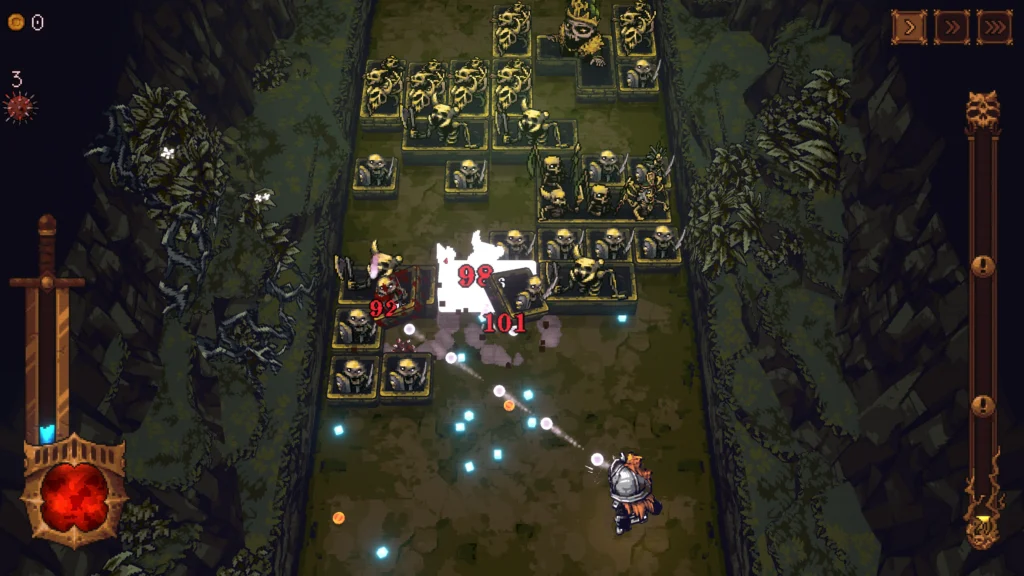
You ever boot up a new game and immediately think, “Well, this thing is going to be a problem for me”? Yeah.
We’ve been blessed with several pachinko-style roguelites over the past couple of years (Peglin, Ballionaire, and Nubby’s Number Factory are all worth your time); now comes a take on another ball-centric classic. I’m talking about last month’s Ball x Pit, a roguelite version of Breakout. Or at least that’s the simple way to describe it. In actuality, the game is that rarest of finds: something that feels unique.
Take one of your many and varied characters onto the battlefield, and you’ll lob a stream of balls toward the top of the screen, where slowly descending enemies periodically fire attacks back at you. When you level up, you’ll choose “special balls,” which have all manner of effects, like inflicting fire or poison on enemies or balls that explode into other balls. As the game progresses, you can “fuse” these balls together, combining the effects. Sometimes, you’ll be able to “evolve” two balls into an entirely new type of ball. Not enough for you? Slam two evolved balls together for even more wackiness.
The moment-to-moment gameplay is fantastic, with different characters and upgrades forcing you to play differently to succeed. The game doles out new mechanics and surprises along the way to keep things fresh, though this is a game you can “complete”; the between-run metaprogression eventually lets you become a bit of a god.
A base-building system—and a minigame in which you bounce your characters around the map to activate buildings—is a nice, thematic diversion between runs, but it’s mostly just a flashy upgrade screen. I usually just wanted to get back into the game as soon as possible.
Need more convincing? Check out the free demo.
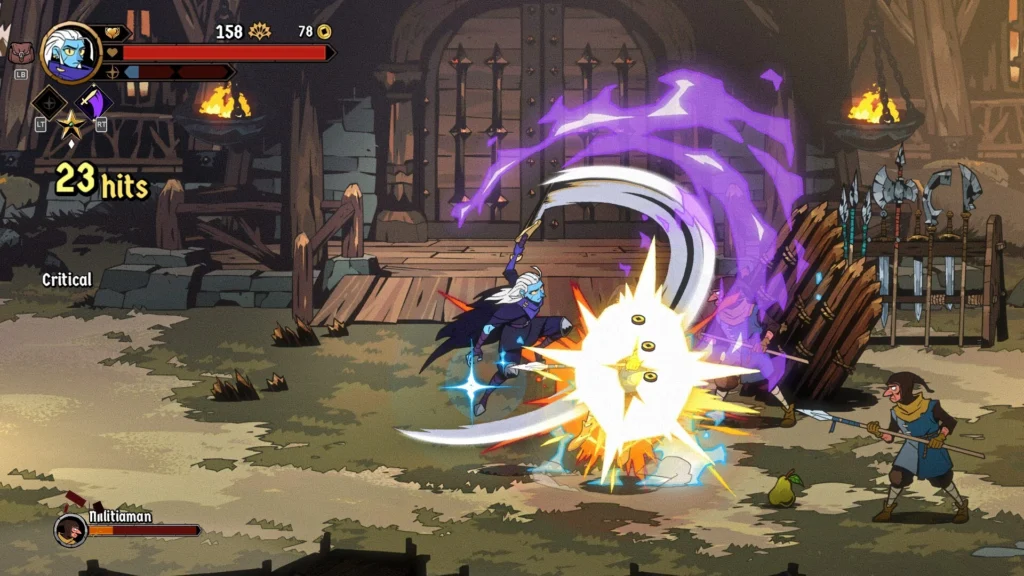
Absolum’s well-regarded demo was released in June, but this thing came out of nowhere for me. The elevator pitch: a beat ‘em up, but make it roguelite.
Not really a beat ‘em up fan? Me neither. Doesn’t matter. The last side-scrolling brawler I played for more than an hour was probably 1991’s The Simpsons arcade game or that same year’s Teenage Mutant Ninja Turtles: Turtles in Time (though the original TMNT arcade game from 1989 was my first quarter-munching arcade love).
The game features gorgeous hand-drawn visuals and the year’s best soundtrack, including this absolute banger from Doom’s Mick Gordon (that’s from a particularly metal boss fight; most of the songs are more fantasy-forward).
Over your runs, you’ll traverse multiple paths, finding secrets and unlocking new features. The roguelike elements are a bit thin at first, but piecing together powerful builds becomes simple as you fill out your options. The combat is sublime—you can get away with button-mashing for a while, but you’ll want to learn at least some of its intricacies to make it to the end.
This thing’s the complete package, and it’s easily one of the best games of the year. Bring along a friend if you’re into co-op. The surprisingly beefy demo is still available—there’s really no excuse not to check it out.
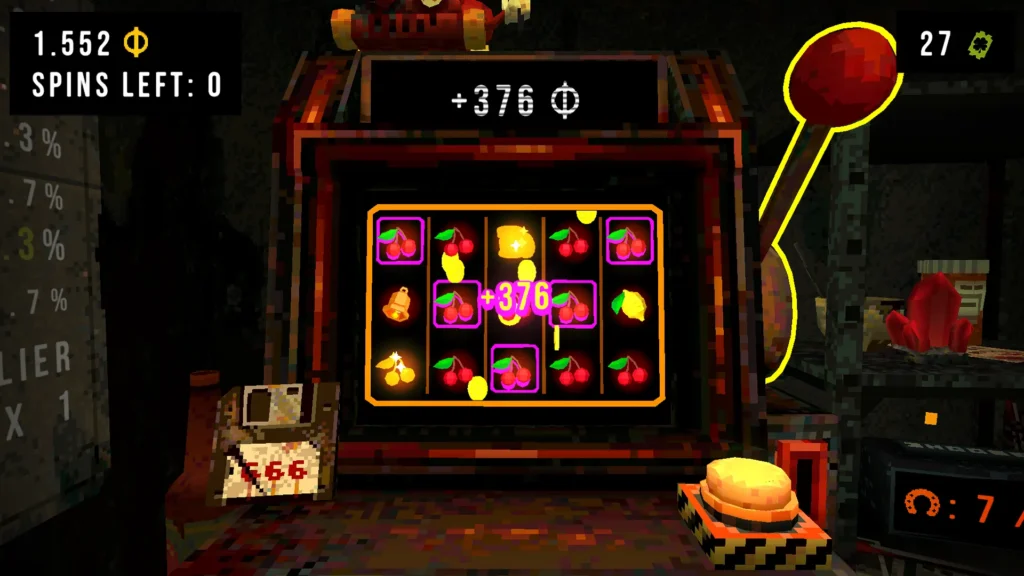
I’ve never actually been to a casino, but judging by the electric dopamine surge I get when hitting a jackpot in the slot machine roguelike Clover Pit, I know I should maintain my chastity.
Clover Pit locks you in a disgusting, blood-soaked closet of a room, and the only way to earn your freedom is to deposit money into an ATM over a series of ever-increasing payments. In other words, it’s what’s come to be known in some circles as a Balatro-like, aka a numbers-go-up game (of course, Balatro was just the first such game to hit it big; the genre’s true progenitor came a year or so earlier in the form of another excellent slot machine roguelike, Luck be a Landlord).
Standing on a trap door that will drop you to your death if you fail to hit your deadlines, you’ll pull a lever on a slot machine over and over, hoping to hit it big. It’s not totally random, though, of course. Purchaseable trinkets allow you to manipulate your odds, trigger beneficial effects, and multiply your score. Getting a jackpot of all 7’s? It’s easier than you may think.
Don’t expect Balatro-like depth—most strategies here involve simply picking one symbol and buffing it to high heaven—but fun, game-breaking builds are easy to put together to make you feel like a winner. There’s something disconcertingly hypnotic and soothing about repeatedly pulling a slot machine lever—it’s best to do it here, where you won’t end up losing your home.
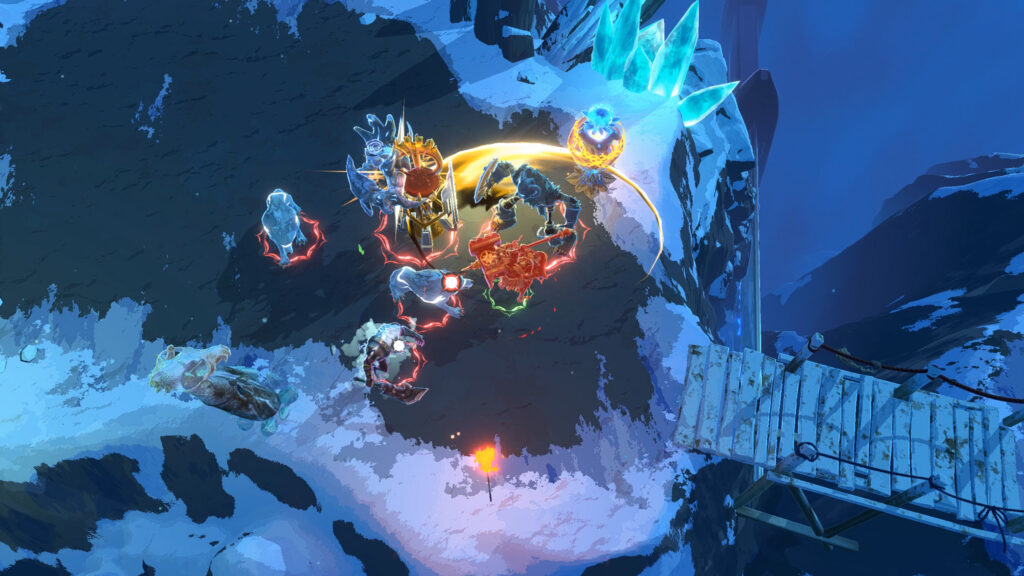
I’ve been playing the hell out of this game, but if you stopped me on the street, I could not tell you what it’s called. Forgettable name aside, I love it.
I’ve heard the game’s combat and controls described as MOBA-like. That seems reasonable, at least from what I remember from my ill-advised and short-lived attempt to get into Dota 2 a decade ago. Don’t let that scare you off, though; this is basically a top-down action RPG where you’ll be fighting through small rooms of enemies, Hades-style.
What makes it special is its skill system. You start each run with a couple of attacks and a passive ability, and you’ll pick up (and replace) skills as you go. Each skill—here called “memories” (don’t ask me; I skipped the lore)—can fit up to three “essences,” modifications that affect how the skill functions. You can rearrange these modifications at any time, enabling a “make your own skill” system that’s endlessly fascinating.
Unique unlockable characters and robust metaprogression skill trees will keep you busy for embarrassing amounts of time. You can even play with friends. Before long, you’ll be creating game-breaking, room-nuking builds, the hallmark of my favorite games of the genre.
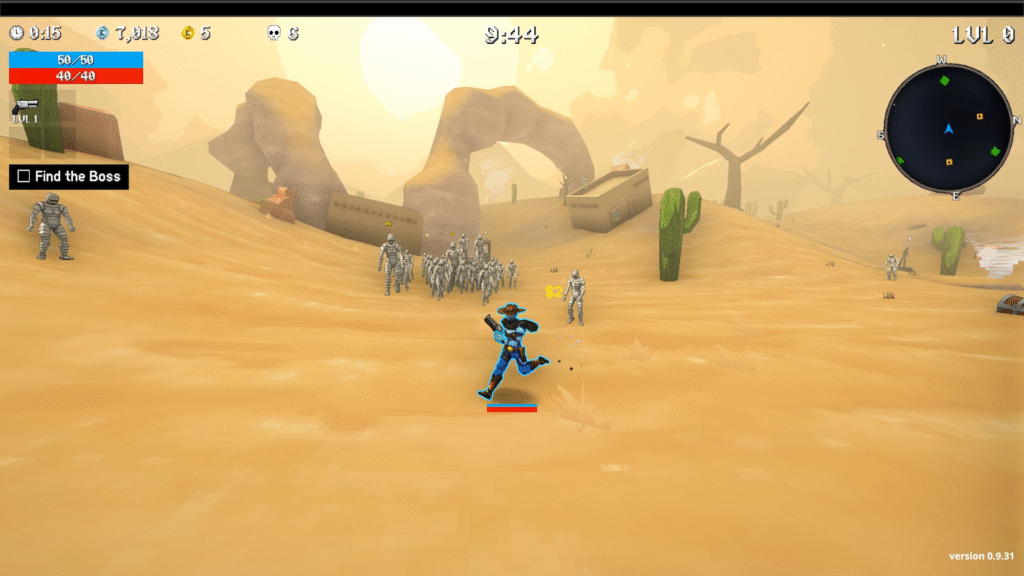
As its name might suggest, Megabonk is not a serious game. Unlike some other games on this list, there’s no chance of this one becoming an all-time great. But there’s a reason this buzzy little title has been on many gamers’ lips since its release in September. The concept is simple: it’s Vampire Survivors meets Risk of Rain 2.
If you’ve played both games, mash them up in your mind and you’ll know exactly how this thing plays. And not just in the way that most “Survivor-likes” tread extremely similar ground to the original. Megabonk‘s treasure-chest-opening animation is ripped straight from Vampire Survivors, and the game’s structure and items (down to the artwork style) are basically just Risk of Rain 2.
So no, it’s in no way original. And I was disappointed to learn that there are only two real “stages” to play; a Risk of Rain-style teleporter just takes you to a harder version of the stage you’ve picked. There are also balance issues; the damage scaling on anything but the first 10-minute stage is absurd. But there is some ridiculous fun to be had with it.
If you’re not into the whole auto-shooter/bullet heaven thing, there’s nothing here for you. But if you’re interested in seeing how chaotic a third-person Vampire Survivors can get, step right up.
It’s also the one 2025 game where you can play as a sunglasses-wearing, skateboarding skeleton who throws bouncing bones at enemies. In these tough times, that’s not nothing.
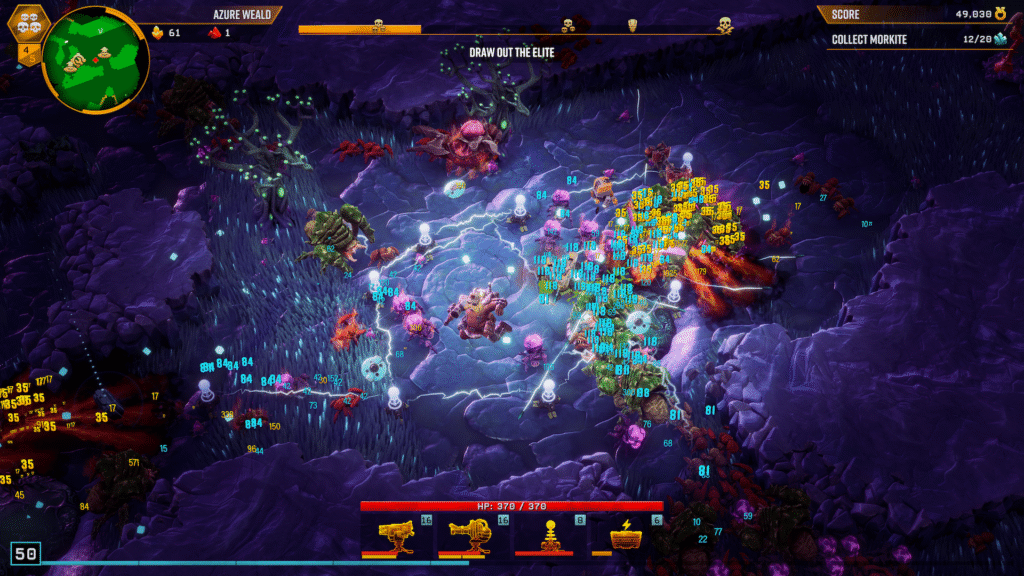
We’ve talked about this Survivors-like take on the beloved co-op shooter Deep Rock Galactic a couple of times over its Early Access period, but we were remiss in discussing it upon its 1.0 release last month. The game was already an Ars favorite, but its progression systems still needed a bit of work. It’s now ready for public consumption, and it’s one of the best auto-shooters on the market. It’s so good that you might want to take a look at it even if you want nothing to do with the oversaturated subgenre.
Its Vampire Survivor-like bones are obvious—you walk around a map while your weapons fire automatically at hordes of enemies closing in on you. Collect the XP gems defeated enemies drop to level up and choose an upgrade. The difference here is that you’re also able to mine through walls of rocks, letting you escape tricky situations and funnel bad guys to traps you’ve laid.
The progression system is heavy on the grind, but there’s plenty of fun to be had no matter how hardcore you want to be about it.
Rock and stone!
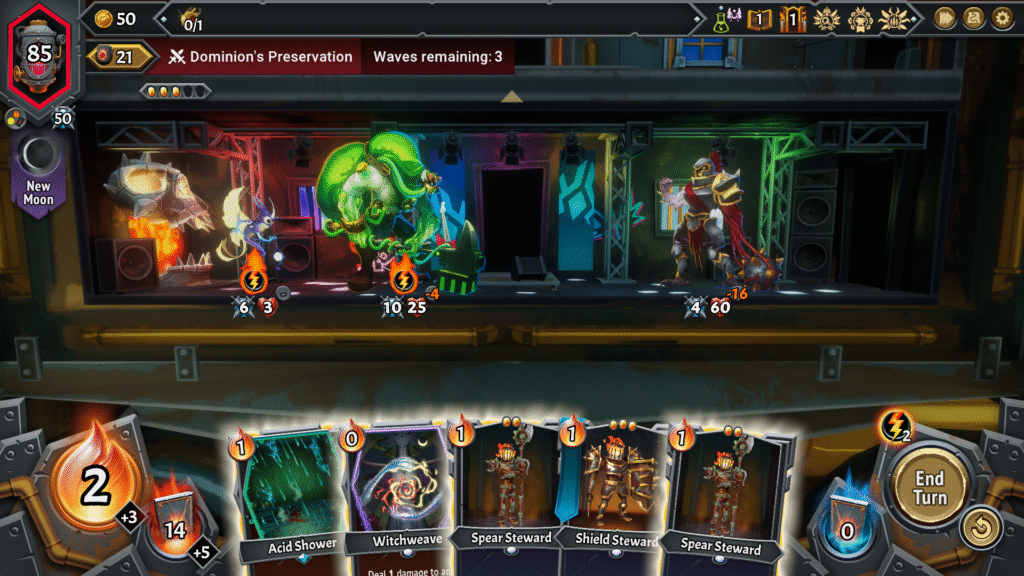
Five years after the original, it’s time for the sequel to the second-best roguelike deckbuilder of all time (the sequel to the first-best roguelike deckbuilder has—thankfully, if I’m being honest—been delayed until the beginning of next year). As in the first game, and as the game’s title might suggest, you’ll be fighting monsters on a train, trying to stop them before they ascend three floors to reach your “pyre”—your health pool for the run.
In Monster Train 2, as in any deckbuilder, you start with a fairly crappy deck of cards and upgrade and expand it throughout your run to try to make it to the end. But in addition to the usual spells and attacks, Monster Train 2 gives you units to assign to the different levels of your battlefield, infusing an interesting spatial element to the cartoonishly violent proceedings.
The sequel is more of the first game, but with smart updates that make everything flow smoother. It’s one of my favorite games of the year, and I highly recommend it to any fan of tactical card games.
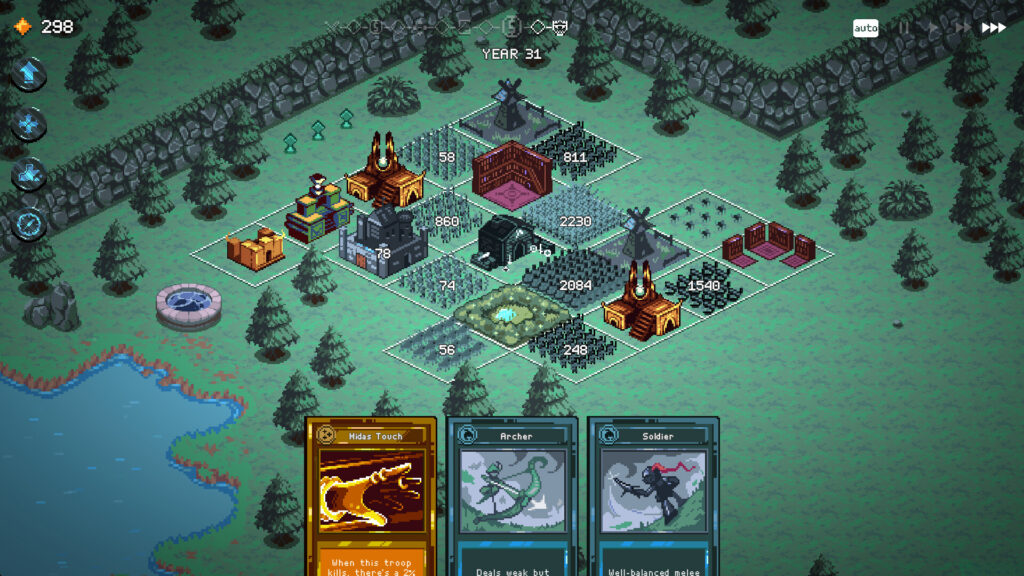
I’ve been playing the hell out of this game, but if you stopped me on the street, I could not tell you what it’s called. Forgettable name aside, I love it.
I’ve heard the game’s combat and controls described as MOBA-like. That seems reasonable, at least from what I remember from my ill-advised and short-lived attempt to get into Dota 2 a decade ago. Don’t let that scare you off, though; this is basically a top-down action RPG where you’ll be fighting through small rooms of enemies, Hades-style.
What makes it special is its skill system. You start each run with a couple of attacks and a passive ability, and you’ll pick up (and replace) skills as you go. Each skill—here called “memories” (don’t ask me; I skipped the lore)—can fit up to three “essences,” modifications that affect how the skill functions. You can rearrange these modifications at any time, enabling a “make your own skill” system that’s endlessly fascinating.
Unique unlockable characters and robust metaprogression skill trees will keep you busy for embarrassing amounts of time. You can even play with friends. Before long, you’ll be creating game-breaking, room-nuking builds, the hallmark of my favorite games of the genre.
Автор – Aaron Zimmerman


